Twacha Aesthetic Clinic

Uncategorized

Laser Treatment Hair Removal

Laser Treatment Hair Removal: The Solution for Smooth Skin

Laser Treatment Hair Removal: The Solution for Smooth Skin, Long-lasting Results. It uses light to target hair follicles, minimizing growth. One place this is particularly true is in the realm of personal grooming. For most, the battle with excess body hair is a never-ending fight—shaving every few days, painful waxing, or ingrown hairs and irritation. Fortunately, a new answer is flipping the script for the better: laser treatment hair removal. Specifically sought after by women needing long-term smoothness, ladies’ hair removal laser is reshaping beauty regimes worldwide. What Is Laser Hair Reduction? Laser hair reduction, or laser hair removal, is a non-surgical cosmetic treatment that employs focused light energy to destroy and remove hair follicles. This severely slows down or permanently decreases hair growth. As opposed to the conventional methods, which provide temporary results, laser treatment attacks the root of the hair, so it is a more efficient and long-term remedy. The process is accurate, effective, and appropriate for most skin types and hair colors, particularly dark, coarse hair. It’s often applied to areas such as the face, arms, underarms, legs, bikini line, back, and chest. How Does Laser Hair Removal Work? The technology involved in laser hair removal uses a treatment of hair is to passes a wavelength of light that is absorbed in the hair pigment (melanin). The light then gets converted to heat, causing damage to the hair follicle without causing injury to the nearby skin. Through time, the damaged follicle will lose hair-producing capabilities and will cause smooth skin with little hair growth. Since hair grows cyclically, several visits are needed to hit the follicles in the growing phase (anagen). Six to eight sessions are needed in most individuals for the best effect. Why Is Laser Hair Reduction So Popular? It’s no wonder that ladies’ hair removal laser treatments have been on the skyrocketing rise over the past several years. Here are several of the main advantages that make the treatment so popular: Long-Term Results In contrast to shaving or waxing, which yield temporary relief, laser hair removal delivers a long-term to permanent reduction in hair growth. With regular sessions, numerous people see as much as a 90% decrease in hair growth. Time-Saving Consider the time spent every week shaving or booking appointments for waxing. Laser hair reduction releases you from that regimen. Once you finish your sessions, you’ll hardly have to consider hair removal again. Economical in the Long Term Although the initial cost of laser treatment appears to be higher, it is worthwhile in the long term. No more razor costs, wax kits, or salon appointments—only silky skin for years to come. Fewer Ingrown Hairs Laser hair removal eliminates the risk of ingrown hairs, which are a painful and frequent side effect of shaving and waxing. Safe and Accurate Newer laser systems have cooling systems and are specifically aimed at targeting only the hair follicle without damaging the surrounding skin. It is done safely and effectively by trained professionals. Is It Safe for All? Due to improvements in technology, laser hair removal is now safer for more people with different skin colors and types of hair. Nonetheless, the best results usually occur in those who have fair skin and dark hair since the laser can target the melanin found in the hair. That being said, experienced clinics employ various kinds of lasers—Alexandrite, Diode, and Nd: YAG—to tailor treatments according to your hair color and skin tone. It is advisable to have a consultation before treatment to decide on the most suitable method for your skin. What Areas Can Be Treated? Laser hair removal is suitable for targeting virtually every part of the body, which is why it’s great for full-body hair reduction or smaller, targeted areas. Some of the most commonly treated spots include: Face: Upper lip, chin, sideburns Arms and underarms Legs Bikini and Brazilian zones Back and chest Neck and shoulders No matter whether you’d like to treat just one area or make over your entire body, ladies’ hair removal laser treatments are flexible enough to accommodate your needs. What to Expect During and After Treatment Before your appointment Stay out of the sun and tanning beds for a minimum of two weeks. Shave the area 24–48 hours before the session. Do not wax, pluck, or thread, as these shave the hair root, which the laser must find. Do not apply lotions, deodorants, or makeup on the treatment area the day of the session. During the session: You might experience a slight snapping feeling, such as a rubber band on the skin, but it’s usually well-tolerated. Treatment sessions take anywhere from a few minutes (for small surfaces such as the upper lip) to an hour or more (for larger surfaces such as the legs or back). Aftercare: You may have some mild redness or swelling, which will typically resolve in a few hours. Use aloe vera or a cooling gel to calm the skin. Avoid hot showers, saunas, or intense workouts for 24–48 hours. Wear SPF if the treated area is exposed to sunlight. How Many Sessions Are Needed? Most individuals require 6–8 sessions spaced about 4–6 weeks apart for the best results. Hair grows in cycles, and the laser is most effective during the growth phase. Maintenance sessions, once or twice a year, may be needed to keep the area hair-free. Each person’s hair type, skin color, and hormonal conditions are unique, so outcomes differ. Still, laser treatment hair removal can work significantly to slow hair growth and result in years of smooth skin if done consistently. Is It Worth It? Definitely. The convenience, confidence, and time savings are well worth the cost of laser hair reduction. If you’re sick of the agony of waxing or the frustration of shaving every other day, women’s hair removal laser treatments represent a wiser and more practical solution. Consider never having to stress about spontaneous beach plans or stubble in the underarms again. Laser hair removal equals freedom—not only from hair but also

Laser Treatment Hair Removal: The Solution for Smooth Skin Read More »

IV Therapy for Recovery

IV Therapy for Recovery: Athletes Are Turning to IV Therapy?

Athletes Are Turning to IV Therapy for Recovery? Athletic performance and recovery require a combination of discipline, nutrition, hydration, and innovative methods to maintain peak physical condition. In recent years, IV (Intravenous) Therapy has emerged as a popular solution among athletes for accelerating recovery, enhancing performance, and replenishing vital nutrients. Here’s an in-depth look at why athletes are increasingly turning to IV therapy for recovery. The Science Behind IV Therapy IV therapy is the administration of fluids, electrolytes, vitamins, and other essential nutrients into the bloodstream through an intravenous drip. The nutrients administered by IV therapy are absorbed 100% into the body, without having to go through the digestive system, so it is quicker and more effective in replenishing the body’s needs. Key Benefits for Athletes Quick Rehydration During intense exercises, endurance exercises, or competitions, several persons end up losing all the fluids in their body through perspiration. IV therapy hydrates the body fast, bringing the cells water that they would require to operate at their peak. Replenishment of Nutrients The needs of athletes, such as magnesium, potassium, calcium, and vitamin B12, to carry out their body functions, which include facilitating movements of muscles and energy production, are higher. IV therapy will provide the correct amount and proportion of these nutrients for their increased demand. Reduced Muscle Soreness Exhaustive exercise normally causes muscle soreness and cramps due to lactic acid accumulation. IV treatment helps detoxify the body of metabolic wastes that cause inflammation; hence, there is speedy recovery of the muscles. Energy boost IV therapy allows direct delivery of energy-rich vitamins and amino acids, glutamine, and carnitine to increase strength and performance in athletes. Immune Boost Because athletes work out and go out, the risk of catching infections and diseases is high. IV therapy with antioxidants such as vitamin C and zinc can develop the immunity system so that body can fight this stress and heal faster. Injury recovery Recovery from injuries would require proper circulation of blood, and tissue healing. IV therapy, which consists of nutrients in the form of vitamin D and calcium, help in healing of bones and growth of tissues. Why IV Therapy Is Gaining Popularity Among Athletes Customized Solutions Athletes can customize their IV therapy solutions according to their needs, be it hydration, performance boost, or recovery from injuries. That way, they can reap maximum benefits. Time-Saving Athletes are always busy with their training sessions. IV therapy is a time-saving solution. A session of IV therapy lasts between 30 and 60 minutes, giving them instant relief and results. Non-Invasive and Safe Administered by trained professionals, IV therapy is a non-invasive, safe, and medically approved procedure that ensures comfort and effectiveness. Celebrity Endorsements Prominent athletes and fitness influencers endorsing IV therapy have significantly boosted its popularity, making it a mainstream recovery method. How Twacha Aesthetic Supports Athletes with IV Therapy At Twacha Aesthetic, we understand the unique needs of athletes and provide specialized IV therapy treatments designed to: Restore energy and vitality Accelerate post-workout recovery Boosts the immune system Improves general health and wellness We personalize each of our IV drips to our clients’ individual needs, for maximum quality in care and positive outcome. Conclusion IV therapy is changing the game for athletes and how they recover and enhance their performance. Targeted, efficient, and fast-acting solutions support athletes in achieving their goals while maintaining optimal health. At Twacha Aesthetic, we are dedicated to helping athletes and fitness enthusiasts unlock their full potential with our specialized IV therapy treatments. Ready to take your performance to the next level? Book your IV therapy session today! 1. Which nutrients are comprised in IV treatment for athletes? Most IV drips used for athletes comprise a cocktail of electrolytes, vitamins- such as B-complex, and C-, minerals- magnesium and zinc-and amino acids plus antioxidants. 2. How many times should the athlete receive the IV treatment? The frequency of visits depends on the needs and activity levels of the individual. Most athletes prefer to go through sessions weekly or bi-weekly, especially during intense training or competition periods. 3. Is IV therapy available to all athletes? IV therapy is safe if administered by qualified professionals, but some form of consultation with a healthcare provider is necessary to ensure that the therapy is in line with the personal health conditions. 4. Can IV therapy replace oral hydration and nutrition? No, IV therapy supplements oral hydration and nutrition. Athletes should have a balanced diet and drink enough water in addition to IV treatments.

IV Therapy for Recovery: Athletes Are Turning to IV Therapy? Read More »

Hair Fall Treatment

Hair Fall Treatment: At Home, Near You, and with Oils

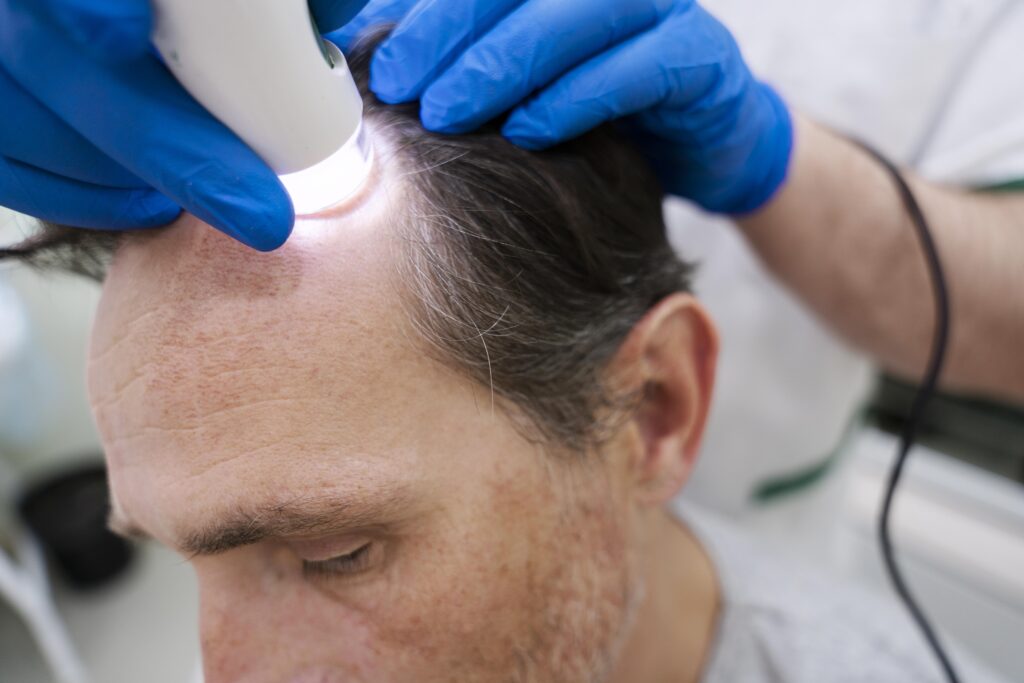
Hair Fall Treatment: At Home, Near You, and with Oils It fits right in with millions’ most urgent concerns, so do not be surprised when you learn that it can be due to stress, genetics, hormonal imbalances, nutritional deficiencies, or even environmental factors. Losing a few strands of hair is completely normal, but excessive shedding may start to become alarming and could even cause thinning hair or bald patches, so the condition has to be treated if it goes untreated. In this detailed manual, we will consider effective methods of treating hair fall at home with natural remedies, discuss professional hair fall treatments you can get access to near you, and finally look at the best hair oils that support healthy hair growth and regrowth. Understanding the Causes of Hair Fall But what’s causing your hair to fall? Let me give you some common reasons before the solutions. These are the possible causes: Genetics: Patterned baldness, commonly referred to as androgenetic alopecia, is a genetic condition. If your parents or grandparents experienced thinning hair or balding, there’s a good chance that you’re going through it too. Hormonal Changes: Pregnancy, menopause, thyroid conditions, or even birth control pills, for instance, can throw you out of whack and cause hair to fall. Nutritional Malnutrition: Poor levels of required vitamins and minerals, such as iron, zinc, Vitamin D, and biotin can weaken follicles and lead to hair loss. Stress: Physical and mental stress can induce a condition of temporary hair loss known as telogen effluvium, in which hair enters the resting phase precociously. Poor Hair Care: Harsh handling styles for too many hours, excessive chemical applications, and tight hair-do styles can cause hair damage; thus, weakening follicles. Now that we have an idea about the basic roots, let’s see some of the hair fall treatments. Hair Fall Treatment at Home: Natural Remedies That Work Home remedies are so popular because of the usage of ingredients that are not only natural but also available and not very costly. The following are some of the most powerful home remedies related to hair fall, apart from being very effective, also quite simple in application. Aloe Vera: Healing and Strengthening Aloe Vera is one ingredient which is famed for healing purposes. It heals dead cells on the scalp thereby promoting healthier strands of hair. How It Works: The enzymes in Aloe Vera remove the excess sebum produced in hair follicles, which further promotes growth. How To Use: Apply raw Aloe Vera gel on the scalp and hair. Let it rest for about 45 minutes and then wash it off. Use it twice a week to get maximum benefits. Onion Juice: A Sulfur Powerhouse Onions contain sulfur, which increases the production of the protein collagen that catalyzes hair growth How it works: Onions because of their high sulfur increase hair follicles and improve hair growth, while helping prevent hair loss. How to Use: Squeeze some fresh onion juice and apply it to the scalp, leaving it on for 15 minutes before rinsing with a mild shampoo. If you’re worried about the smell, you could add a few drops of essential oil to mask the smell. Fenugreek Seeds: Protein-Rich for Hair Growth Fenugreek also popularly known as methi, has nicotinic acid and proteins, which nourish healthy hair. How it Works: The seeds rejuvenate the hair and stimulate blood flow in the scalp, thereby strengthening the roots. How to Use: Soak fenugreek seeds overnight. Grind them into a paste and use it as a hair mask. Let it stay on for 30 minutes before rinsing off with lukewarm water. Green Tea: Rich in antioxidants to increase Hair Growth Green tea is full of antioxidants that stimulate hair follicles to grow and halt hair loss. How it Works: Green tea’s polyphenols and vitamins help feed follicular hair growth by feeding nutrients into the hair follicles, which in return promotes new hair growth. How to Use: Steep two green tea bags with hot water. Let them cool and use them as a last rinse on your hair after shampooing. Egg Mask: High in Proteins and Nutrients Egg whites contain rich proteins, vitamins, and minerals that cultivate scalp and hair. How it Works: Proteins within it improve the quality of your hair. Sulfur helps grow hair. How to Use: Take one egg white mix it with some olive oil and apply it to your scalp and hair. Leave it on for 20 minutes and wash it off with cold water and shampoo. Hair Fall Treatment Near Me: Professional Solutions for Severe Hair Loss While home remedies may improve the condition, professional help can also be required, and this may be necessary in case the hair loss is a result of health issues or genetic causes. Many clinics and dermatologists offer hair fall treatments that are quite safe and effective. PRP Therapy This is when your blood is drawn and filtered to separate the plasma that contains platelets. This plasma is then injected into the scalp to trigger hair growth. Best suited for early-stage hair loss or thinning hair. How it works: The growth factors in PRP stimulate the sleeping hair follicles and are capable of increasing hair growth. It is available in most dermatology clinics and aesthetic centers. Laser Therapy Lasers are used to offer low-level laser light that stimulates the hair follicles to promote hair growth. Best suited for individuals who experience thinning hair or patterned baldness. How It Works: The laser initiates blood flow to the scalp and also wakes up asleep hair follicles. Availability: Highly available at dermatology clinics and hair restoration centers. Hair Transplant Surgery Hair transplantation is a long-term treatment for individuals suffering from advanced hair loss. Hair transplantation involves a surgical procedure wherein hair follicles are transplanted from one part of the scalp to another. Best For: Severe hair loss or balding areas. How It Works: Hair follicles are removed from the donor site and then inserted in the thinning or balding area. Availability: This treatment

Hair Fall Treatment: At Home, Near You, and with Oils Read More »

Solutions for Dandruff

Effective Solutions for Dandruff and Dry Scalp

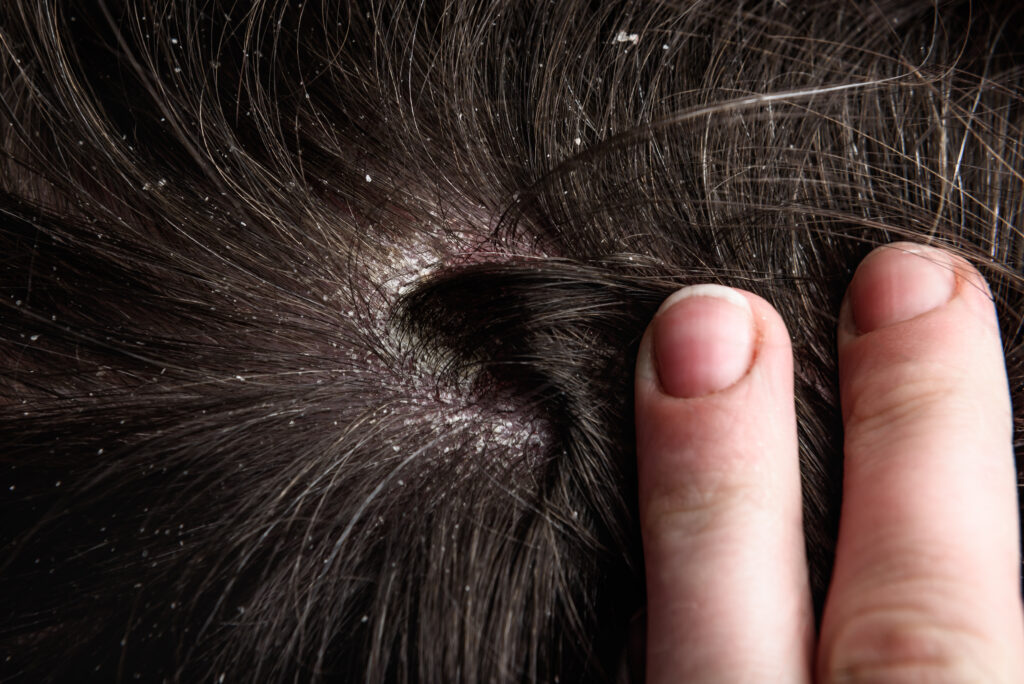
Effective Solutions for Dandruff and Dry Scalp Dandruff is a common scalp condition that affects millions of people. It is characterized by flaking skin and is often accompanied by itching. While it’s not usually serious, it can be embarrassing and uncomfortable. At Twacha Aesthetics, we believe in empowering you with effective treatments to tackle dandruff and dry scalp issues. This blog will explore the best methods for eliminating dandruff, flaky scalp treatments, and overall scalp health. Understanding Dandruff Before diving into solutions, it’s important to understand what causes dandruff. Common culprits include: Dry Skin: The most common cause, often exacerbated by winter weather. Oily Scalp: Excess oil can lead to seborrheic dermatitis, which causes scaly patches. Fungal Growth: Malassezia, a fungus that naturally exists on the scalp, can sometimes overgrow and cause irritation. Skin Conditions: Conditions like psoriasis and eczema can contribute to flaking. Sensitivity to Hair Products: Some products may irritate your scalp, leading to flaking. Best Ways to Get Rid of Dandruff 1. Use Anti-Dandruff Shampoo The cornerstone of any dandruff treatment is a good anti-dandruff shampoo. Look for shampoos containing: Zinc Pyrithione: Helps reduce fungus and alleviate flaking. Ketoconazole: A powerful antifungal agent effective against severe dandruff. Salicylic Acid: Helps exfoliate the scalp, removing dead skin cells. Selenium Sulfide: Reduces fungus and slows skin cell turnover. Use these shampoos at least twice a week, following the instructions for the best results. 2. Regular Scalp Massage Regular scalp massages can improve blood circulation, helping to distribute natural oils and alleviate dryness. Use your fingertips to gently massage your scalp in circular motions while applying shampoo or oils. 3. Natural Oils Natural oils can be incredibly beneficial for treating a dry scalp and reducing dandruff: Coconut Oil: Has antifungal properties and is excellent for hydration. Tea Tree Oil: Known for its antimicrobial properties, it can help eliminate dandruff-causing fungi. Olive Oil: A natural moisturizer that can help soothe a dry scalp. Apply these oils directly to your scalp, leave them on for at least 30 minutes, and then wash your hair as usual. 4. Exfoliate Your Scalp Just like your skin, your scalp can benefit from exfoliation. Use a gentle scalp scrub to remove dead skin cells and product buildup. You can also create your scrub using sugar and a carrier oil. 5. Stay Hydrated and Eat Well Your diet plays a crucial role in skin health. Drink plenty of water to keep your skin hydrated, and consume foods rich in omega-3 fatty acids, like salmon, walnuts, and flaxseeds. Foods high in zinc and B vitamins can also support scalp health. Flaky Scalp Treatment Options 1. Medicated Treatments If over-the-counter shampoos aren’t effective, consider consulting a dermatologist for prescription-strength treatments. These may include:- Topical corticosteroids: To reduce inflammation and itching. Antifungal creams: For severe cases caused by fungal infections. 2. Home Remedies While not a substitute for medical treatment, home remedies can be helpful: Apple Cider Vinegar: Its acidity helps balance scalp pH and reduce flakiness. Mix equal parts vinegar and water, apply it to your scalp, and rinse after 15 minutes. Aloe Vera: Known for its soothing properties, aloe can help calm irritation and hydrate the scalp. Apply pure aloe vera gel directly to the affected areas. 3. Lifestyle Changes Sometimes, lifestyle factors can contribute to dandruff. Here are a few changes you can make: Manage Stress: High stress can trigger dandruff flare-ups, so consider practicing yoga, meditation, or any stress-relief techniques you enjoy. Avoid Irritating Products: Be mindful of the products you use on your hair. Opt for sulfate-free and paraben-free options to minimize irritation. Dandruff Cure Myths It’s important to debunk common myths surrounding dandruff: Myth: Dandruff is caused by poor hygiene.Fact: While washing your hair regularly helps, dandruff can occur even in those who maintain good hygiene. Myth: Dandruff is contagious.Fact: Dandruff is not infectious; it results from skin conditions, not germs. Myth: You can eliminate dandruff.Fact: While you can manage it effectively, some individuals may experience recurring flakes. Conclusion Dandruff and dry scalp can be frustrating, but with the right treatments and lifestyle changes, you can effectively manage these issues. At Twacha Aesthetics, we’re here to help you find the best solutions tailored to your needs. Remember, a healthy scalp leads to healthy hair, so take care of your scalp, and it will reward you with gorgeous locks! For personalized advice, feel free to reach out to us! Lorem ipsum dolor sit amet, consectetur adipiscing elit. Ut elit tellus, luctus nec ullamcorper mattis, pulvinar dapibus leo. What is the best dandruff shampoo? The best dandruff shampoo depends on your scalp’s specific needs. For mild cases, zinc pyrithione shampoos are effective. For more severe dandruff, consider ketoconazole or selenium sulfide shampoos. How often should I wash my hair to combat dandruff? It’s generally recommended to wash your hair 2-3 times a week with an anti-dandruff shampoo. However, if your scalp is very oily, you may need to wash it more frequently. Can stress cause dandruff? Yes, stress can trigger dandruff flare-ups by affecting your overall skin health. Managing stress can help improve your scalp condition. Are there any dietary changes that can help? Yes! Incorporating foods rich in omega-3 fatty acids, zinc, and B vitamins can support scalp health and reduce dandruff.

Effective Solutions for Dandruff and Dry Scalp Read More »

Scroll to Top
Call Now Button